
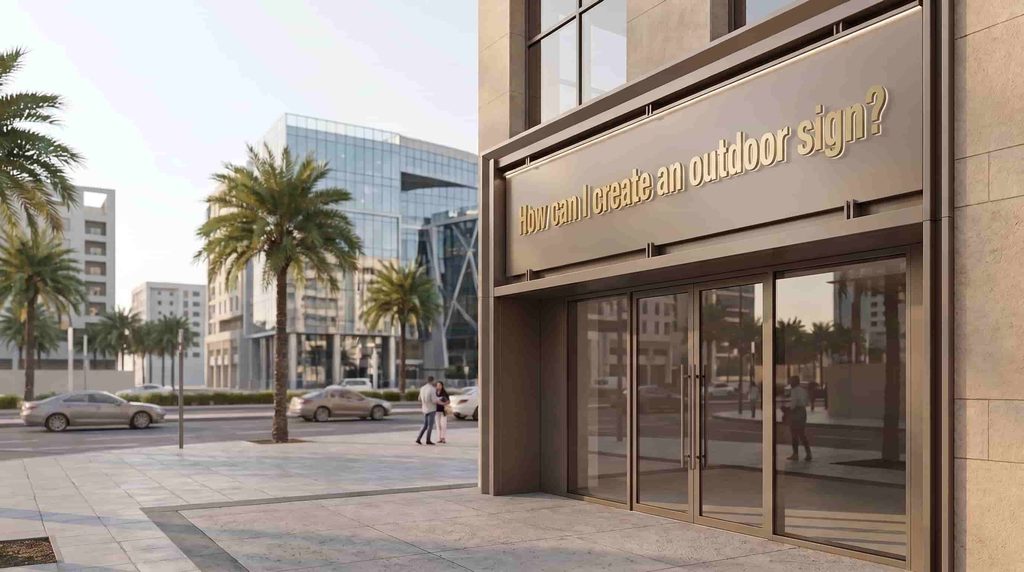
Creating an outdoor sign starts with deciding what you want people to notice, choosing the right materials, and designing a sign that is easy to read from a distance. Whether you need a sign for a shop, office, restaurant, or commercial building, the right combination of design, materials, lighting, and installation can help your business stand out.
For businesses in Dubai, outdoor signage also needs to suit the local climate, building location, and applicable signage requirements. Good planning helps you create a sign that represents your brand and remains effective over time.
1. Decide What Your Outdoor Sign Needs to Do
Before choosing a design, think about the purpose of the sign. A sign above a shop entrance has a different job from one placed beside a road or outside an office building.
For example, a retail store may need a sign that displays its name and logo, while a restaurant might want illuminated lettering that remains visible after sunset. An office building may need clear signage to help visitors identify the company.
Start by asking yourself three questions:
- Who needs to see the sign?
- Where will it be installed?
- What should people understand when they see it?
These answers will help guide the size, design, material, and placement.
2. Choose the Right Type of Outdoor Signage
Outdoor signs come in several styles. The best option depends on your location, budget, and branding requirements.
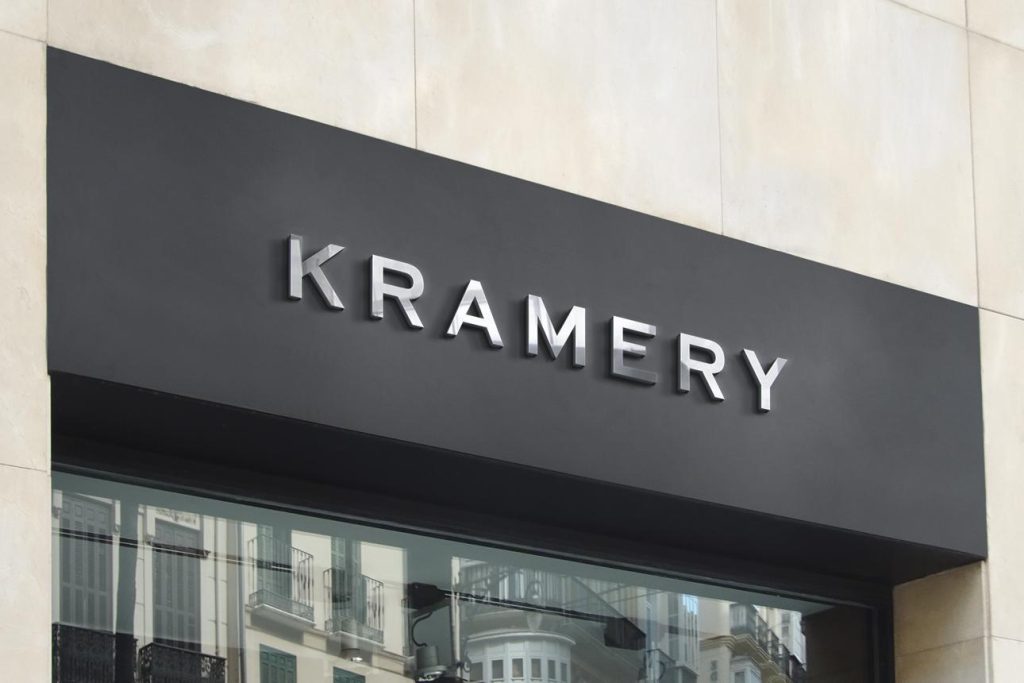
3D Lettering Signs
Raised letters create depth and give a storefront or building a professional appearance. They can be made from acrylic, aluminium, or stainless steel and may include lighting.
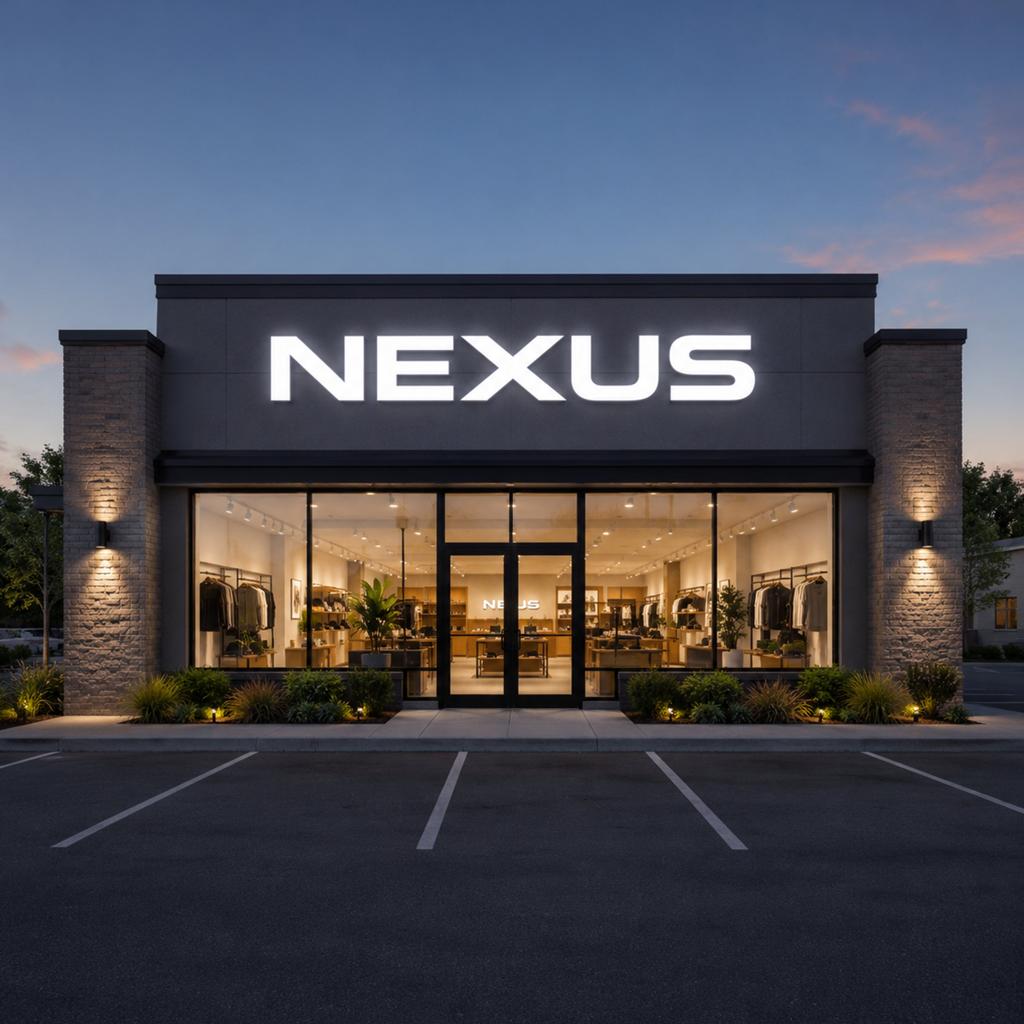
Illuminated Signs
LED-lit signs help businesses remain visible in the evening and in low-light conditions. They are commonly used by restaurants, retail stores, hotels, and commercial buildings.
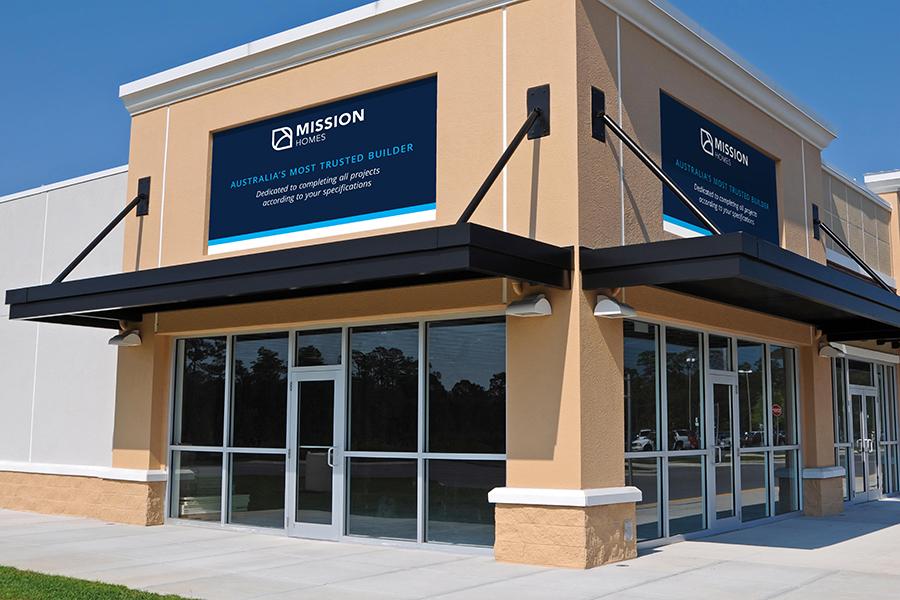
Panel Signs
These use a flat sign panel to display a company name, logo, or message. Depending on the design, the panel may use aluminium composite material (ACP), acrylic, PVC-based boards, or other suitable materials.
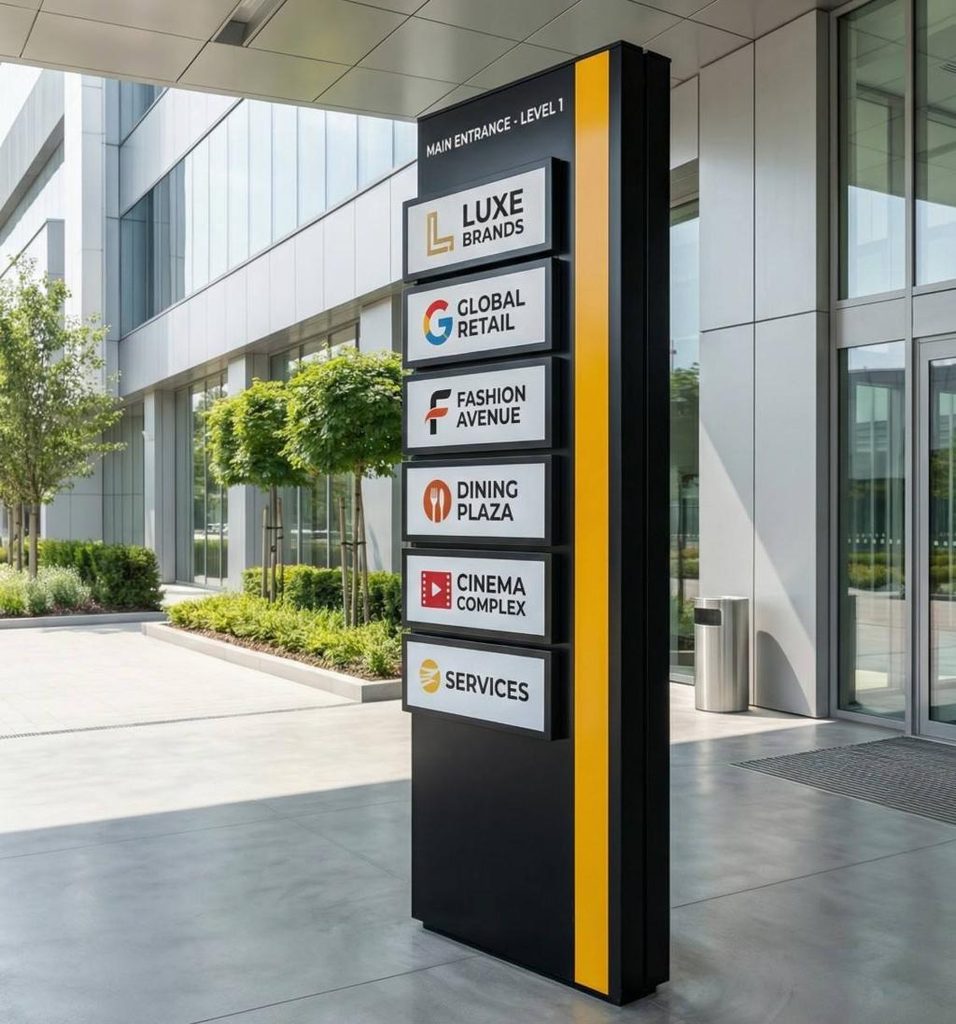
Freestanding and Directional Signs
These signs are installed independently of a building and are useful for business entrances, parking areas, commercial complexes, and visitor directions.
3. Select Materials That Suit the Location
Material selection is an important part of signage. A sign that looks attractive initially may not perform well if its materials are unsuitable for the environment.
Common options include:
- Aluminium: Lightweight, corrosion-resistant, and suitable for many outdoor sign structures.
- Aluminium composite panels (ACP): Provide a smooth surface for printed graphics and sign fabrication.
- Acrylic: Offers a clean finish and is often used for lettering, logos, and illuminated signs.
- Stainless steel: Provides a durable, premium appearance for raised letters and architectural signage.
- PVC foam board: Lightweight and easy to fabricate, although its suitability for prolonged outdoor exposure depends on the specific product and installation.
In Dubai, consider direct sunlight, heat, dust, and occasional rain when selecting materials and finishes. The fixings, adhesives, electrical components, and supporting structure also need to be appropriate for outdoor use.
4. Create a Design That People Can Read Easily
An outdoor sign does not need to contain every detail about your business. Its main job is to communicate the important information quickly.
Keep the business name or primary message prominent. Use a readable font, strong contrast between the lettering and background, and colours that fit your brand identity.
Think about viewing distance, too. People walking past a shop can read smaller details than drivers passing a building. If the sign is viewed from far away, prioritise large lettering and a simple layout.
Before approving the design, check how it looks against the actual building facade. A design that looks good on a computer screen may need adjustments when displayed at full size.
5. Understand the Signage Fabrication Process
Once the design and materials are finalised, the sign moves into production. This stage is known as signage fabrication.
Depending on the type of sign, the process may include:
- Preparing the artwork and production measurements.
- Cutting panels, letters, or metal components to the required shapes.
- Printing graphics or applying vinyl where needed.
- Assembling the sign structure and individual components.
- Adding lighting, wiring, or mounting hardware if required.
- Checking the finish, fit, and overall quality before installation.
The exact process depends on the sign design. A flat printed panel will require different fabrication methods from a large illuminated sign with individual 3D letters.
Accurate measurements and proper fabrication help the finished sign fit its installation location and maintain a clean, professional appearance.
6. Plan the Installation Carefully
Even a well-designed sign can look out of place or perform poorly if it is installed incorrectly.
Check the mounting surface, the weight of the sign, access for installation, and the type of fixings required. Larger signs may need structural support, while illuminated signs also require suitable electrical installation.
For buildings in Dubai, check the relevant property, building management, and local authority requirements before fabrication and installation. Depending on the sign and location, approvals or permits may be necessary.
It is better to confirm these details early than to redesign or reposition the sign after production has started.
7. Maintain Your Outdoor Sign
Regular maintenance helps keep signage boards looking professional. Dust, sand, sunlight, and weather exposure can gradually affect its appearance.
Inspect the sign periodically for loose fixings, damaged surfaces, fading graphics, or lighting problems. Clean it using methods recommended for the material, and arrange repairs when necessary.
For illuminated signs, have electrical components checked by a qualified professional when required. Routine inspection can also help identify small issues before they become more expensive to fix.
How Much Does It Cost to Create an Outdoor Sign in Dubai?
The cost depends on the sign’s dimensions, materials, design complexity, lighting, mounting requirements, and installation conditions.
A simple printed panel will generally have different production requirements from a custom-fabricated sign with illuminated 3D letters. Building access, structural support, and any required approvals can also affect the overall budget.
When comparing quotations, check what is included: design, materials, fabrication, lighting, installation, and any additional charges. Comparing the full scope of work gives you a clearer picture than looking at the sign price alone.
Frequently Asked Questions
What is the best material for outdoor signage?
There is no single best material for every sign. Aluminium and ACP are common choices for panels and structures, while acrylic and stainless steel are often used for lettering and premium finishes. The right option depends on the design, location, exposure, and budget.
Can I make an outdoor sign myself?
You can create a simple sign yourself if you have suitable materials, tools, and a safe installation method. Large signs, illuminated signs, and signs mounted at height are usually better handled by experienced professionals.
Does outdoor signage need lighting?
Not always. If a sign needs to be visible after dark, illuminated lettering or external lighting may help. Signs used mainly during daylight hours may not need lighting at all.
How long does an outdoor sign last?
Its lifespan depends on the materials, fabrication quality, installation, exposure, and maintenance. Well-made signs using suitable materials can provide long-term use, but no material is completely unaffected by weather and sunlight.
Why is professional signage fabrication important?
Professional fabrication helps ensure that the sign is produced to the correct dimensions, assembled properly, and finished to suit its intended location. It is particularly useful for custom lettering, illuminated signs, large panels, and complex mounting requirements.
Final Thoughts
Creating an effective outdoor sign involves more than choosing a design. You need to consider its purpose, visibility, materials, fabrication, installation, and long-term maintenance.
For businesses in Dubai, planning for the local environment and checking applicable signage requirements are equally important. Taking the time to make these decisions can help you create signage that communicates your brand clearly and gives customers a positive first impression.
